
How many restrooms does a farm crew need?
Start with headcount, not acreage. OSHA 1928.110 calls for potable water, toilets and handwashing within a quarter mile walk of hand-labor employees, at a ratio of one facility per 20 workers. A five-acre vegetable operation with 15 pickers needs one standard porta potty rental; a 60-person harvest crew spread across multiple fields needs several units staged close to where people actually work, not clustered at one gate. Lynn Porta Pros maps unit placement against field rows and irrigation lines so nothing blocks equipment access.
Seasonal swings matter too. A farm running lean in spring and packed during harvest should plan for a monthly porta potty rental that scales up when crews grow, rather than locking into one fixed count all year. If you're unsure where to start, our guide on how many units you need walks through the math, and the full OSHA portable toilet requirements page covers the ratio table in more detail than the field regulation alone.
For farms closer to Lynn's built-up edges, some crews also handle landscaping or nursery work that falls under general construction rules instead of field labor. That distinction changes which standard applies: OSHA 1926.51(c) governs construction crew sizes, while 1928.110 governs hand-labor farm work specifically. Ask which one fits before you order.
What do farmworkers actually need at a jobsite?
A working toilet, a way to wash hands, and water that's safe to drink. OSHA 1926.51(a)(1) requires an adequate supply of potable water at any workplace, and that requirement doesn't disappear because the workplace is a field instead of a warehouse. Pair each restroom cluster with a handwashing station rental or a portable sink rental so crews aren't relying on a jug and a prayer. Under 29 CFR 1910.141(d)(2), washing facilities need actual soap and towels or a hand-drying device; hand sanitizer alone doesn't satisfy that standard, and it shouldn't stand in for real handwashing during a long picking day.
If your operation sprays herbicides or insecticides, OSHA 1926.51(f)(1) kicks in separately: washing facilities are required wherever workers apply paints, coatings, herbicides or insecticides, because of the contaminant exposure. That's a different, stricter trigger than ordinary field sanitation, so don't assume one handwash station covers both needs if your crew handles chemicals regularly.
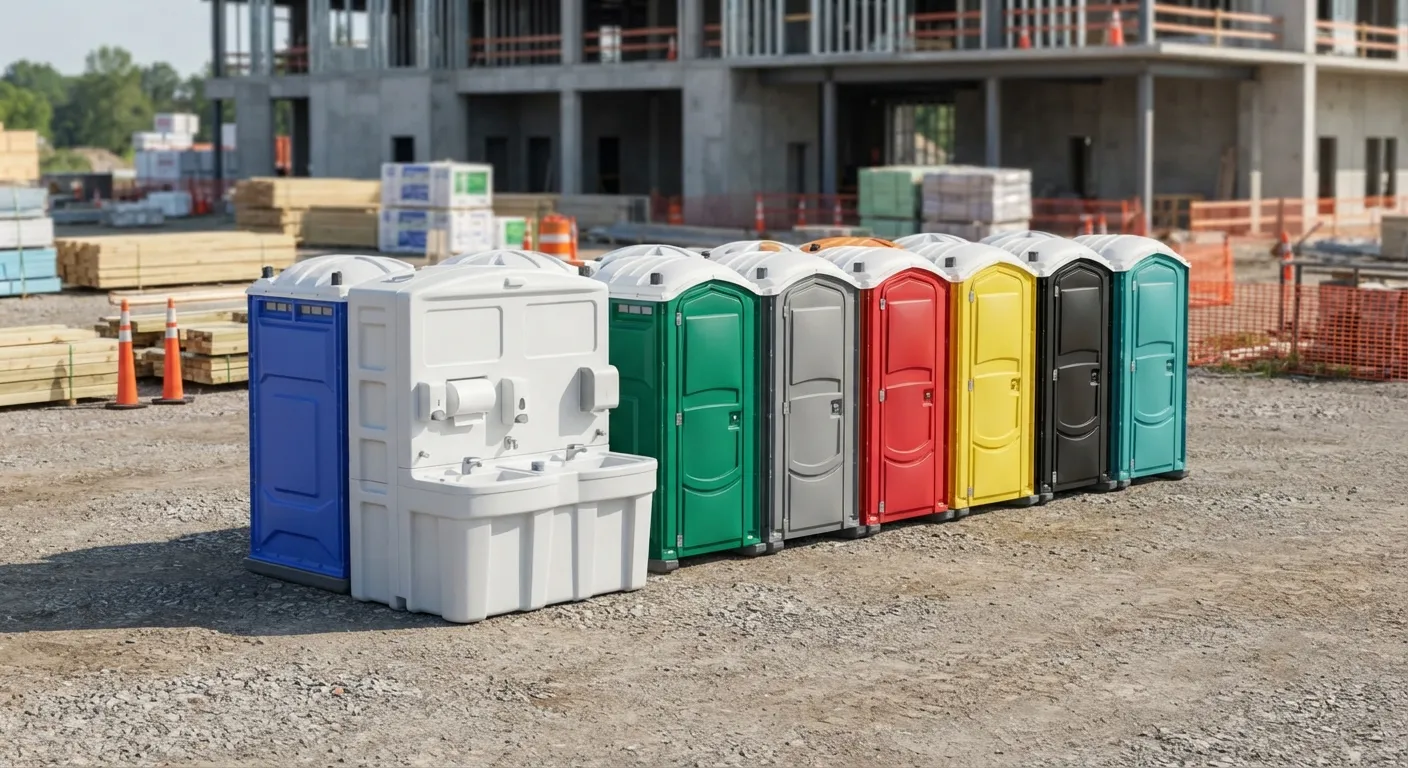
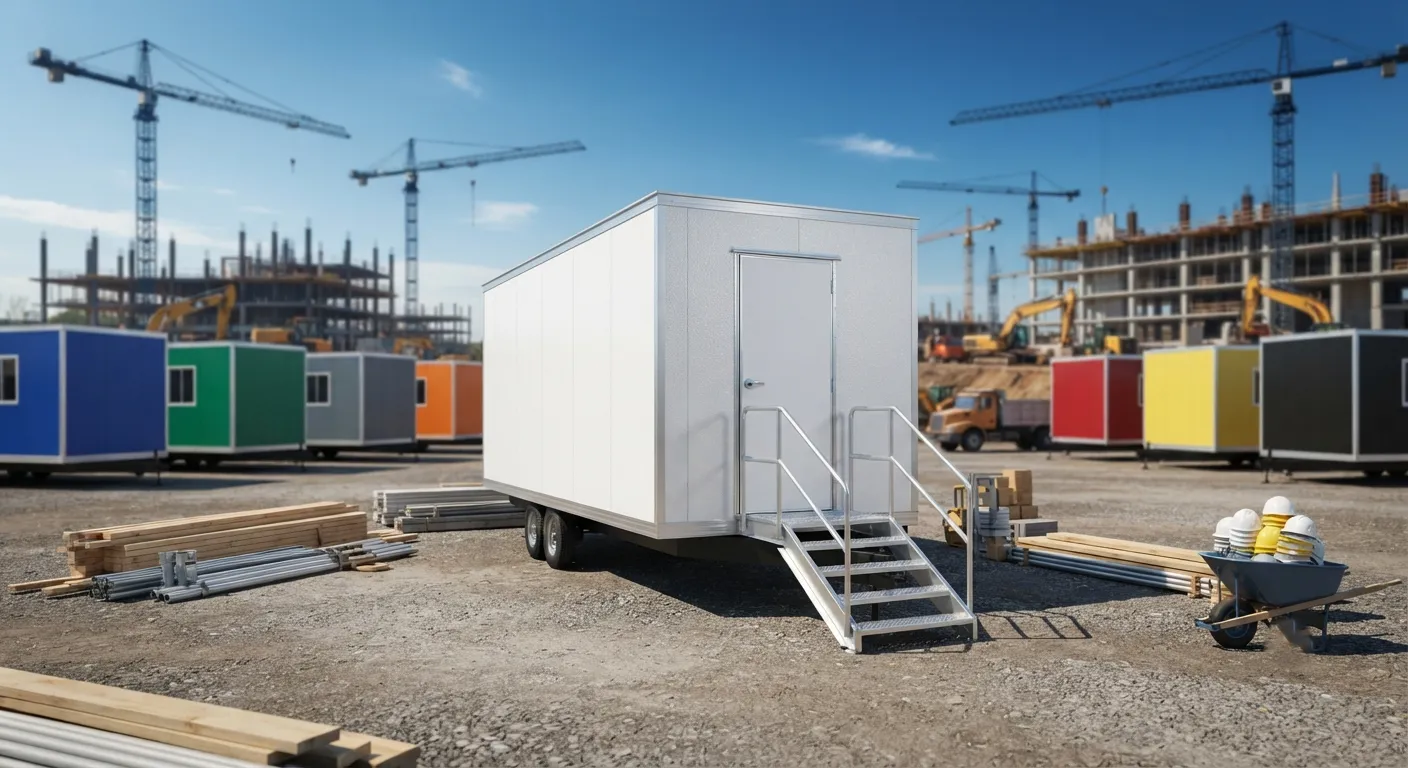
Most farms do fine with a standard porta potty rental at each field station. Operations hosting u-pick days, farm stands, or agritourism events with public visitors should look at a deluxe flushable porta potty or even a small restroom trailer rental for a better guest experience. Lynn Porta Pros services both farm labor sites and public-facing farm events around Lynn on the same delivery routes.
Where should restrooms sit on a working farm?
Close enough to walk to, far enough to stay out of the way. Pick firm, level ground away from irrigation ditches and equipment turnaround areas. If the farm hosts visitors with mobility needs during a fall festival or farm stand season, ADA Standards section 213.2 requires that at least 5 percent of clustered single-user units be accessible, with never fewer than one. Our ADA accessible porta potty units meet the clearance specs in ADA Standards 304.3.1 for turning space and 404.2.3 for door width.
Service access matters as much as placement. Trucks need clear approach paths, and if you're adding a roll-off dumpster rental for harvest debris or packing waste, that unit needs about 60 feet of straight clearance behind the truck for delivery. Plan restroom and dumpster placement together rather than as separate afterthoughts.
Farms near Lynn's town line sometimes also need septic support for farm stands or on-site housing. A septic pumping service or holding tank rental can handle wastewater where a fixed system isn't practical. And if a hard freeze is coming, read porta potty in winter before your tanks catch you off guard. Lynn Porta Pros also covers nearby ground: Salem sits 5.5 miles northeast, Peabody 6.0 miles north, and both fall inside our normal service loop alongside Lynn itself.
How much does a farm restroom rental cost?
A standard unit runs 100 to 350 dollars a day and 130 to 500 dollars a week, depending on order size and duration. Monthly farm accounts typically land between 125 and 325 dollars per unit. See porta potty rental cost for the full breakdown by unit type.
Do farmworkers need handwashing stations separate from toilets?
Yes. OSHA 1928.110 requires handwashing facilities alongside toilets for hand-labor crews, not just nearby toilets. 29 CFR 1910.141(d)(2) also requires soap and towels, not sanitizer alone. Pair every restroom cluster with a proper handwashing unit.
Can one restroom serve multiple fields on a large farm?
Not under the letter of the rule. OSHA 1928.110 requires facilities within a quarter mile walk of workers, so spread-out fields usually need more than one unit, positioned by where crews actually work each day.
Should farm stands and agritourism events use different units than field crews?
Usually yes. Field crews need durable standard porta potty rental units built for daily heavy use. Public-facing farm stands and festivals do better with a deluxe flushable porta potty or event restroom rental for a cleaner guest experience.
What happens during harvest when crew size spikes?
Order ahead. Lynn Porta Pros scales unit counts up for harvest weeks and back down after, which works best under a monthly porta potty rental agreement rather than one-off daily orders placed during the busiest week of the season.
Next step
Get a delivery date
Tell us the address, the dates and the headcount. We size the order and confirm the route.